

Latest »

Twelfth Closed Scientific Expert Meeting of the Editorial Board
Is post-prandial lipaemia an independent risk factor for atherosclerosis?
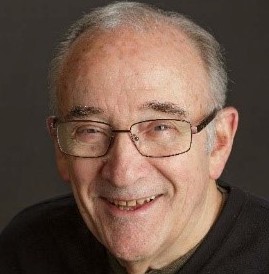 Henry Ginsberg, Columbia University, New York, USA, addresses this question with results
of preclinical research into the potential atherogenicity of post-prandial lipoproteins, cohort data on the ability of fasting and non-fasting triglyceride levels to predict atherosclerotic cardiovascular disease (ASCVD), and long term follow up studies into associations between post-prandial lipoprotein measurements and future incident ASCVD events.
Henry Ginsberg, Columbia University, New York, USA, addresses this question with results
of preclinical research into the potential atherogenicity of post-prandial lipoproteins, cohort data on the ability of fasting and non-fasting triglyceride levels to predict atherosclerotic cardiovascular disease (ASCVD), and long term follow up studies into associations between post-prandial lipoprotein measurements and future incident ASCVD events.
Watch the presentation
Adipose tissue-liver crosstalk: Implication of ANGPTL4 inhibition
 Sander Kersten, Cornell University, New York, USA, considers the effects of liver- and adipose tissue-derived ANGPTL4 on lipoprotein lipase activity, together with the autocrine and endocrine roles of ANGPTL4 in plasma triglyceride regulation. He also reviews current understanding of the effects of ANGPTL4 silencing with antisense oligonucleotides in liver and adipose tissue and the impact on triglyceride levels.
Watch the presentation
Is there a genetic signature in patients with TG 500-1000mg/dL that can predict pancreatitis?
 Alexis Baass, Institut de Recherches Cliniques de Montréal, Université de Montréal, Canada, considers the evidence for rare gene variants in lipoprotein lipase metabolism, and common variants associated with TG and acute pancreatitis (AP), to be used in genetic testing for AP risk in patients with multifactorial chylomicronaemia syndrome, and for identifying those who might benefit from apoCIII inhibitor therapy.
Watch the presentation
Effect of olezarsen on coronary plaque volume in the Essence-TIMI 73b trial
 Brian Bergmark, Division of Cardiovascular Medicine, Brigham and Women’s Hospital, Boston, USA, discusses the results of the ESSENCE-TIMI 73b trial of olezarsen in patients with moderate hypertriglyceridaemia together with the findings from a sub-study which used coronary computed tomography angiography to investigate the effects of treatment on coronary plaque volume over 12 months.
Watch the presentation
Plozasiran in severe hypertriglyceridaemia: Update
 Daniel Gaudet, ECOGENE-21, Université de Montréal, Canada, reviews results from key plozasiran clinical trials including SHASTA-2 in patients with severe hypertriglyceridaemia, MUIR open label extension in those with mixed dyslipidaemia, and PALISADE in participants with familial chylomicronaemia syndrome, together with top-line data from the SHASTA-3 and SHASTA-4 studies in patients with severe hypertriglyceridaemia.
Watch the presentation
LATEST CONGRESS NEWS

As clinical trials of apoCIII-targeting agents continue down the pyramid of hypertriglyceridaemia severity, key data presented at the European Society of Cardiology congress in Munich, Germany (28-31 August 2026), focused on longer term decreases in TG levels in patients with severe hypertriglyceridaemia and associated reductions in acute pancreatitis. Other highlights included ‘legacy’ effects of TG reduction on cardiovascular (CV) risk following icosapent ethyl treatment, phase 1 results for a novel long acting apoCIII inhibitor, and the potential of triglyceride-HDL ratio and triglyceride-glucose index for enhanced CV risk prediction.
Read the reports:
- Full SHASTA-3 and SHASTA-4 data confirm plozasiran efficacy in sHTG
- CORE-OLE study shows durable efficacy with olezarsen in sHTG
- REDUCE-IT shows IPE ‘legacy’ risk reduction
- Elevated TG linked to ASCVD even when LDL-C is well controlled
- Phase 1 data support long acting apoCIII inhibitor, ION775
- What role for triglyceride-HDL ratio and triglyceride/glucose index for CV risk prediction?
NEWS Updates

Genetically low ANGPTL3 and ANGPTL4 reduce CKD risk Genetic reduction in ANGPTL3 and ANGPTL4 is associated with lower risk of chronic kidney disease via enhanced lipoprotein lipase activity, according to results of a drug target Mendelian randomisation study and single cell …

ANGPTL3 loss of function accelerates TRL lipolysis pathway Fresh mechanistic insights into the impact of profound ANGPTL3 deficiency are provided in a study of apoB48, apoB100 and TG metabolism in chylomicrons, VLDL1, VLDL2, IDL and LDL in individuals with ANGPTL3 …

Topline SHASTA-3 and SHASTA-4 results show durable TG reductions with plozasiran The Phase 3 SHASTA-3 and SHASTA-4 studies of plozasiran in patients with severe hypertriglyceridaemia (sHTG) have met their primary endpoint of TG reduction versus placebo and all prespecified secondary endpoints …

Risk weighted apoB improves CHD risk stratification Risk weighted apoB (RW-apoB), a novel measure that integrates the particle number and atherogenic potential of LDL, triglyceride rich lipoprotein (TRL) and Lp(a), more accurately reflects total atherogenic burden and coronary …

Tryngolza (olezarsen) is approved for sHTG in USA
The US Food and Drug Administration (FDA) has approved Tryngolza (olezarsen) as an adjunct to diet to reduce TG and the risk of acute pancreatitis in adults with severe hypertriglyceridaemia (sHTG), ie. TG ≥500 mg/dL …
FROM THE EDITORS
Video presentation – ApoB and atherosclerosis 2026: Answers and Questions
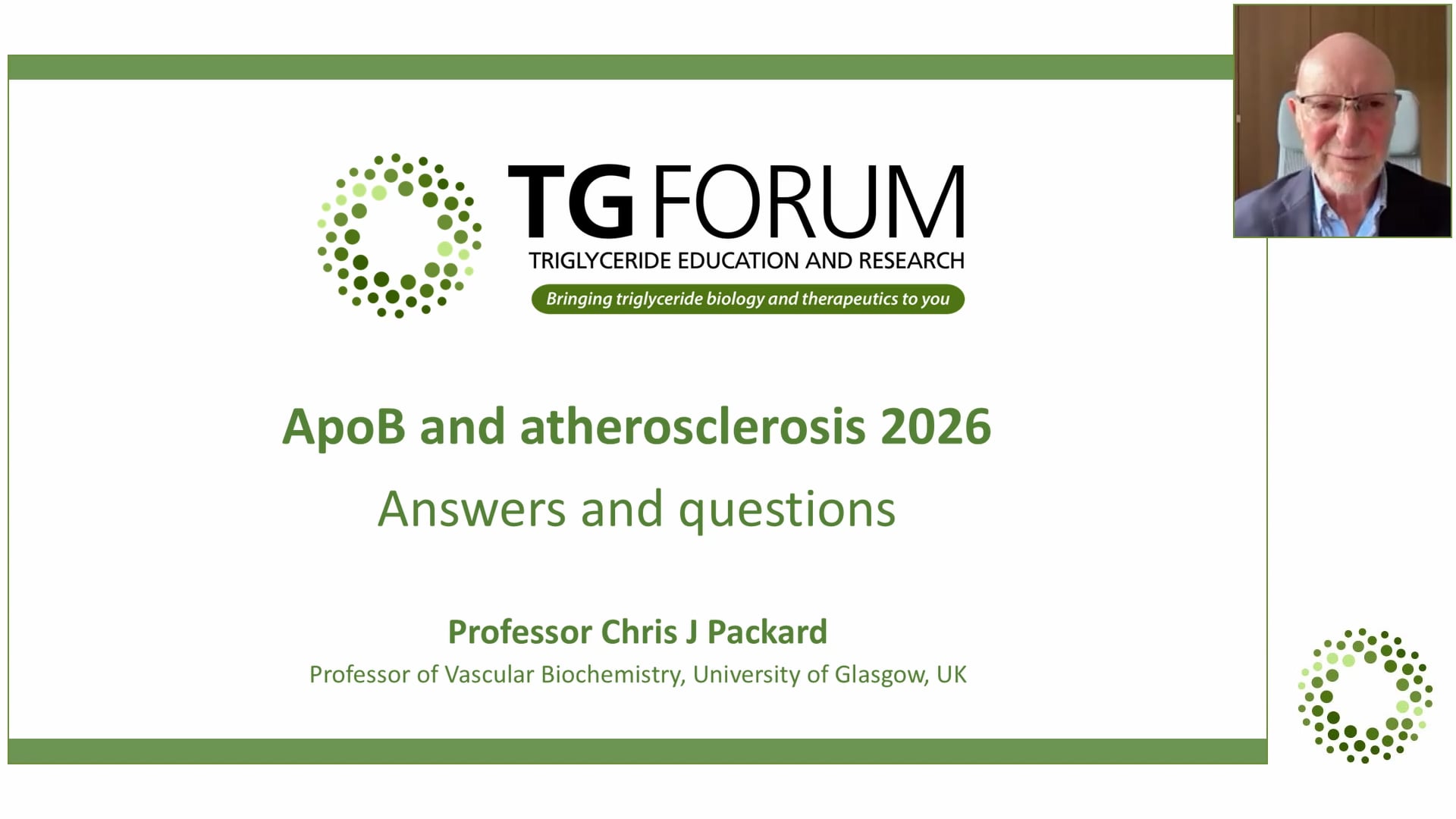 Professor Chris J Packard, Professor of Vascular Biochemistry, Glasgow, UK, considers the status of evidence linking apoB with atherosclerosis in 2026, and the questions that have arisen in relation to the conceptual framework for a better understanding of the relationship between apoB containing lipoproteins and cardiovascular disease – based around genetic, physiological and pathological research, and clinical trial data.
Watch the video
Expert commentary – Residual risk beyond LDL: A new apoB-centred framework for atherosclerosis
 Professor Jan Borén, Institute of Medicine, University of Gothenburg, Sweden, welcomes the timely reframing of apoB biology presented in Professor Chris Packard’s video presentation, highlighting its importance in moving the field beyond the LDL-centric model to a more integrated view which includes the atherogenic potential and clinical significance of triglyceride-rich lipoproteins and Lp(a).
Read the commentary
Expert commentaries
The evaluation of postprandial triglycerides: Relevance to metabolic disease and cardiovascular risk
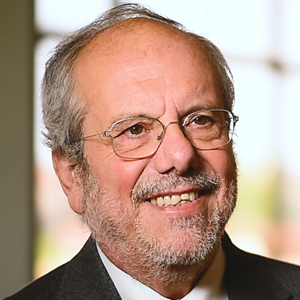 Professor Gabriele Riccardi, Federico II University, Naples, Italy, explains that a standardised Oral Fat Tolerance Test (OFTT) is a valuable tool for comparing the impact of treatments on postprandial TG and associated cardiovascular risk, but a simplified 4-hour OFTT may be more convenient and appropriate in routine clinical practice and epidemiological studies than the more complex and prolonged standard OFTT protocol.
Read the commentary
Hypertriglyceridaemia: Where next for cardiovascular outcomes trials?
 Professor Ioanna Gouni-Berthold, University of Cologne, Germany, highlights the need for cardiovascular outcomes trials with the novel apoC3 and ANGPTL3 inhibitors that are becoming available, and addresses the challenges in designing such studies in patients with moderate and severe hypertriglyceridaemia through appropriate stratification of participants, and careful attention to study size and duration.
Read the commentary








Third Closed Scientific Expert Meeting of the Editorial Board
Keynote: What have we learned from triglyceride lowering trials using fibrates over the past 40 years?
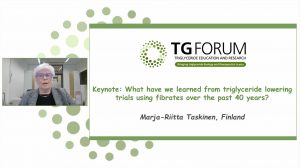
Professor Marja-Riitta Taskinen reviews the evidence from the FIELD and ACCORD clinical trials in type 2 diabetes and considers how treatment might be tailored to patients most likely to benefit.
Novel PPAR agonists as therapeutics in hypertriglyceridaemia
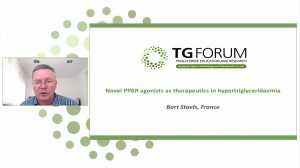
Professor Bart Staels discusses latest understanding of the mechanisms of action of PPAR agonists, together with pre-clinical and clinical data on the selective PPARα modulator, pemafibrate.
Expert Commentaries
Triglyceride-rich lipoproteins and their remnants: Commentary on the 2021 EAS Consensus Statement
 Professor Gary Lewis (University of Toronto, Canada) discusses the evidence presented in the 2021 EAS Consensus Statement and its implications for clinicians and patients.
ASCVD risk with persistent hypertriglyceridaemia: What is the latest guidance from ACC?
 Dr Michael Miller (University of Maryland, Baltimore, USA) discusses the background to the latest ACC guidance and the recommendation to stratify patients for treatment according to their residual LDL-cholesterol level.
Clinical trials of innovative therapeutics
New insights into the biology of triglyceride metabolism underpin the development of novel therapies for managing hypertriglyceridaemia to reduce the risk of atherosclerotic cardiovascular disease (ASCVD) and, for severely elevated levels, pancreatitis.
In the last decade epidemiology and genetic studies – in particular, Mendelian randomisation studies – have moved the field forward and we are on the cusp of a new era in managing elevated triglycerides.
Major outcomes studies with these new therapies are fundamental to answering the much-debated question: Does lowering elevated triglycerides reduce residual cardiovascular risk?
About Triglyceride Forum
The Triglyceride Forum is a unique, independent, expert-led global initiative to address the rapidly evolving field of triglycerides and triglyceride-rich lipoproteins in cardiovascular disease and pancreatitis. This Forum will provide clinicians and researchers with international, open access, peer-reviewed resources at an important time when new and innovative molecules are at advanced stages of development… Read more >>
Why join?
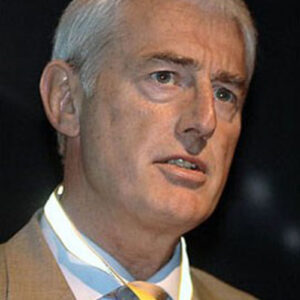
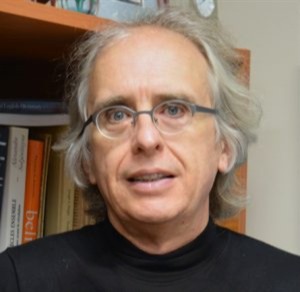
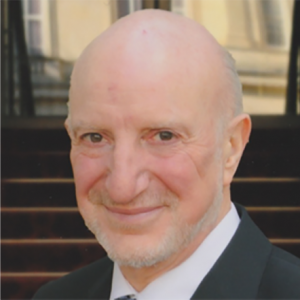
 Professors Ginsberg and Chapman explain the fundamental scientific and clinical research that has turned the spotlight on triglyceride-rich lipoproteins and their remnants as important players in the development of atherosclerotic CVD and pancreatitis and as targets for novel therapies for both these serious diseases.
FREE MEMBERSHIP
Join the Triglyceride Forum for open access to independent, evidence based knowledge and high quality educational programmes
View invitation from Henry Ginsberg
 Join the Triglyceride Forum to share new data and exchange opinions with clinicians and researchers around the world
View invitation from John Chapman




Recommended Reading
Cholesterol, Lipoproteins, and Cardiovascular Health: Separating the Good (HDL), the Bad (LDL), and the Remnant.
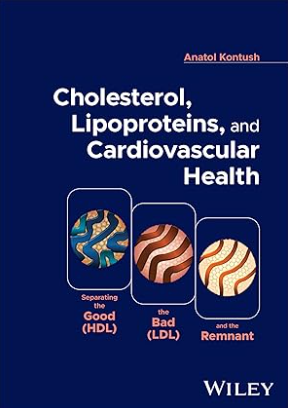 Find out more about this thorough and rigorous new guide to the particles that are key to cardiovascular health …
Why triglycerides now?





From the editors


Educational partners and supporters